Neurotransmitters are special chemicals. They act as the basic signaling units of the brain. Each neurotransmitter works as a conveying material that carries information from one neuron to another. This chemical signaling is the core mechanism that allows billions of neurons to communicate. Without it, no thought, no movement, no sensation, and no emotion would be possible.
A neuron releases these chemicals from the presynaptic terminal. This release usually happens when an electrical signal, called an action potential, arrives at the end of the neuron. The neurotransmitter then enters a very narrow space between the two neurons. This space is called the synaptic gap or synaptic cleft. The gap is extremely small, but it plays a critical role. It isolates the two neurons so signals stay directional and controlled.
After crossing the gap, the neurotransmitter reaches the postsynaptic side of the next neuron. This is where the information is received and interpreted. The receiving neuron then decides what to do next. It may fire its own electrical signal, or remain silent, or modulate its internal state.
This is the basic communication path. One neuron sends the chemical signal. The signal crosses the gap. The next neuron receives it. This simple loop repeats everywhere in the nervous system, and this repetition builds all brain functions.
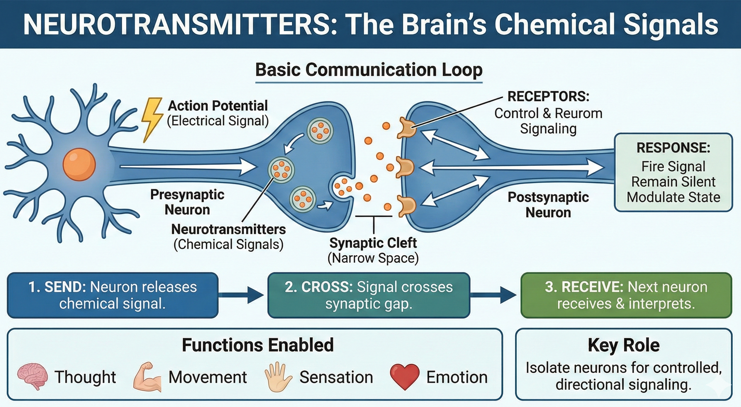
This note does not focus on the detailed mechanism inside the synaptic gap. It does not go deep into receptor binding or ion-channel changes. The goal here is simpler. It is to describe the function of each major neurotransmitter. It is also to describe their chemical nature. This allows you to see how different neurotransmitters work as signals in the brain. It also shows how each chemical type supports different neural operations in a very compact form..
- List of Neurotransmitters
- Problems that are releated to Neurotransmitters
- Distribution of Neurotransmitters in Brain
- Antagonist vs Agonist
- Opposing Neurotransmitters Maintaining Balance in the Nervous System
List of Neurotransmitters
Here I will introduce a list of neurotransmitters and the list will get longer as I learn more on this subject. Don't try to memorize everything in the list. It would not be much of use if you just memorize and it will be confusing as well since some neurotransmitters work differently depending on which part of the brain (or nerveous system) they are being used. Use this page as a mini dictionary or cheatsheet whenever you want to check about any specific neurotransmitter while you are reading text or watching lectures.
|
Neurotransmitter |
Mode of Functions |
Chemical Type |
Affected Ion Transport |
|
Excitatory |
Amino Acid |
Calcium influx, Sodium influx |
|
|
Excitatory/Modulator |
Calcium influx, Potassium efflux |
||
|
Excitatory/Modulator |
Monoamine |
||
|
Excitatory/Inhibitory/Modulator |
Monoamine |
||
|
Excitatory/Modulator |
Monoamine |
||
|
Excitatory |
Monoamine |
||
|
Inhibitory |
Amino Acid |
Chloride influx |
|
|
Inhibitory/Modulator |
Monoamine |
||
|
Calcium influx, Sodium influx |
|||
|
Inhibitory |
Amino Acid |
Chloride influx |
|
|
Calcium influx |
|||
|
Peptides |
|||
|
hormones from hypothalamus |
hormone |
||
|
hormone |
Peptides |
||
|
hormone |
|||
|
Purine |
Potassium efflux |
||
|
Adenosine Triphosphate (ATP) |
Purine |
Calcium influx |
|
|
Nitric oxide |
Gasotransmitters |
||
|
Carbon monoxide |
Gasotransmitters |
Acetylcholine
Acetylcholine is a neurotransmitter that plays a crucial role in various functions throughout the body. In the central nervous system, it is involved in learning, memory, and attention. In the peripheral nervous system, acetylcholine is essential for muscle movement, as it is the primary neurotransmitter at neuromuscular junctions. Additionally, it plays a role in the regulation of the autonomic nervous system, influencing functions such as heart rate, digestion, and respiratory rate. Acetylcholine is synthesized from choline and acetyl-CoA by the enzyme choline acetyltransferase, and its action is terminated by the enzyme acetylcholinesterase, which breaks it down into choline and acetate.
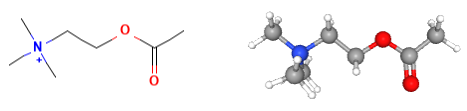
Image Source : PubChem
Functions in Peripheral Nervous System (PNS)
- excitatory role leading to the voluntary activation of muscles
- contraction of smooth muscles
- dilation of blood vessels
- slow heart rate
- increase body secretions
Functions in Brain and Central Nervous System (CNS)
- function as a neurotransmitter and a neuromodulator
- involved in motivation, arousal, attention, learning, memory
- promotes REM sleep
Medical Conditions related to Acetylcholine Dysfunction
- Alzheimer's Disease
- Parkinson's Disease
- Myasthenia Gravis
Medications that affect Acetylcholine
- Botox
- ACheE(Acetylecholinesterase inhibitors
- Anticholinergics
GABA (γ-Amino Butyric Acid)
Gamma-aminobutyric acid (GABA) is the primary inhibitory neurotransmitter in the central nervous system. It plays a crucial role in regulating neuronal excitability by inhibiting the firing of neurons, thereby creating a balance between excitation and inhibition in the brain. GABA is essential for maintaining proper brain function and preventing overstimulation, which can lead to conditions such as anxiety, seizures, and insomnia. GABA is synthesized from the amino acid glutamate by the enzyme glutamic acid decarboxylase and is broken down by the enzyme GABA transaminase. GABA acts on two types of receptors: GABA-A and GABA-B. GABA-A receptors are ionotropic, meaning they are ligand-gated ion channels, while GABA-B receptors are metabotropic, meaning they are G-protein coupled receptors. Both types of receptors contribute to the overall inhibitory effects of GABA in the brain.
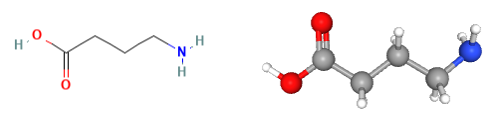
Image Source : PubChem
Function :
- an inhibitory neurotransmitter in central nervous system (main inhibitor in our brain)==> Opposite funtionality against Glutamate
- When GABA binds to the receptor (GABA-A or GABA-B receptors), the responsiveness of the nerve cell decreases
- In this way, GABA van slow down certain brain function that is thought to do followings :
- Reduce stress
- Relieve anxiety
- Improve sleep
Medical Conditions related to decreased GABA level :
- Anxiety and mood disorders.
- Schizophrenia.
- Autism spectrum disorder : : Decreased GABA is observed in the brain (Update on Brain Research in Autism)
- Depression.
- Epilepsy, seizures.
Medical Conditions related to GABA Imbalance :
- Pyridoxine deficiency.
- Hepatic encephalopathy.
- Huntington disease.
- Dystonia and spasticity.
- Hypersomnia (excess daytime sleepiness or excessive time spent sleeping).
Glutamate
Glutamate is the primary excitatory neurotransmitter in the central nervous system, playing a crucial role in neuronal communication, learning, memory, and synaptic plasticity. It helps transmit nerve impulses between neurons and is involved in various cognitive functions, including attention and information processing. Glutamate is synthesized from the amino acid glutamine by the enzyme glutaminase and is broken down by the enzyme glutamate dehydrogenase or through the glutamate-glutamine cycle. Glutamate acts on several types of receptors, including ionotropic receptors like NMDA, AMPA, and kainate receptors, and metabotropic glutamate receptors (mGluRs). Imbalances in glutamate levels or receptor function can lead to excitotoxicity, where excessive glutamate activity damages or kills neurons, which is implicated in various neurological disorders such as Alzheimer's disease, Parkinson's disease, and multiple sclerosis.
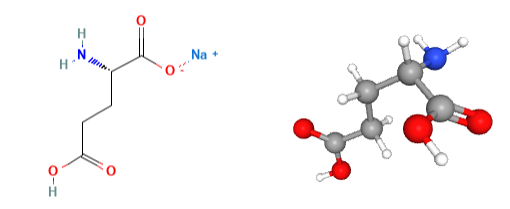
Image Source : PubChem
Function :
- an excitatory neurotransmitter in central nervous system (main excitatory neurotransmittor in our brain) ==> Opposite funtionality against GABA
- major excitatory neurotransmitter in the central nervous system.
- present in 90% of the excitatory synapses
- plays a key role in the plasticity of the nervous system
- plays a role in glia-neuron signalling, along with two other neurotransmitters: D-serine and glycine
Medical Conditions related to Glutamate dysfunction :
- epilepsy
- autism : Increased Glutamate is observed in the brain (Update on Brain Research in Autism)
- depression
- schizophrenia
Medical Condition related to too much Glutamate :
- Parkinson's disease
- Alzheimer's disease
- Huntington's disease
Medical Conditions related to too little Glutamate
- Trouble concentrating
- Mental exhaustion
- Insomnia
- Low energy
Histamine
Histamine is a neurotransmitter and biogenic amine involved in various physiological functions in the central and peripheral nervous system. In the central nervous system, histamine plays a role in regulating the sleep-wake cycle, arousal, and appetite. It also modulates cognitive functions such as learning and memory. Histamine is synthesized from the amino acid histidine by the enzyme histidine decarboxylase and is inactivated by the enzymes histamine-N-methyltransferase and diamine oxidase.
Histamine promotes wakefulness and arousal by activating histamine receptors in the brain. It counteracts the actions of sleep-promoting neurotransmitters, such as GABA and adenosine, helping maintain a balance between sleep and wakefulness.
Histamine acts on four types of receptors, H1, H2, H3, and H4, which are G-protein coupled receptors. In the peripheral nervous system, histamine is involved in immune responses, inflammation, and allergic reactions, primarily through its action on H1 and H2 receptors. It also has a role in regulating gastric acid secretion in the stomach, mainly via H2 receptors. Antihistamines, which are medications commonly used to treat allergies, work by blocking the action of histamine at its receptors, reducing the symptoms associated with histamine release.
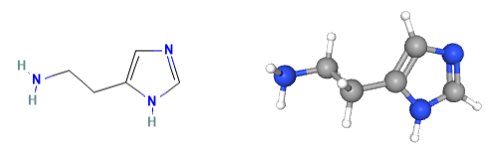
Image Source : PubChem
Function
- Based on Receptor types
- H1 receptors
- regulate neuronal excitation in most brain regions (brain step, hypothalamus,thalamus, amygdala, septup, hippocampus, olfactory bulb, cortex
- decrease the neuronal cells excitability and inhibits the cells firing in hippocampal pyramidal neurons
- H2 receptors
- mainly found in the basal ganglia, amygdala,hippocampus and cortex
- regulate the neuronal physiology and plasticity
- (in mice) a deficiency in H2R function cause cognitive deficits, impairment in hippocampla LTP, abnormalities in nociception
- H3 receptors
- act as a presynaptic heteroreceptor and release a variety of other transmitters (e.g, biogenic amines, acetylcholine, glutamate, GABA, peptidergic systems)
- (in mice) the loss of H3R function is associated with behavioral state abnormalities (e.g, hyperphagia, late-onset obesity, increased insulin and leptin levels)
- Based on locations
- Thalamus and cerebral cortex : Arousal and wakefullness
- Hypothalamus, glial cells and blood vessels: Homeostatic process (e.g, ood and water intake, hormones secretion, temperature regulation, among others)
Dopamine
Dopamine is a neurotransmitter that plays a significant role in various brain functions, including motivation, reward, movement, and the regulation of mood. It is synthesized from the amino acid tyrosine, which is first converted to L-DOPA by the enzyme tyrosine hydroxylase, and then to dopamine by the enzyme aromatic L-amino acid decarboxylase. Dopamine acts on five types of receptors, which are G-protein coupled receptors, classified into two families: D1-like (D1 and D5) and D2-like (D2, D3, and D4) receptors. Imbalances in dopamine levels or receptor function have been implicated in several neurological and psychiatric disorders, such as Parkinson's disease, schizophrenia, and addiction. Dopamine is also a precursor to other important neurotransmitters, including norepinephrine and epinephrine.
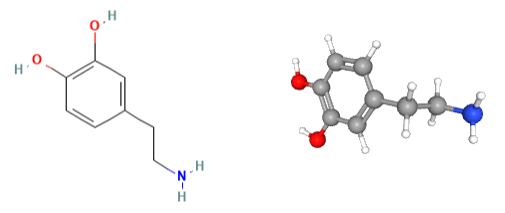
Image Source : PubChem
Function
- Plays a role as a reward center
- involved in various functions as follows
- Pleasurable reward and motivation
- memory
- movement
- motivation
- mood
- attention
- sleep and arousal
- learning
- lactation
Medical condition associated with low level of dompamine
- ADHD (Attention Deficit Hyperactivity Disorder)
- Parkinson's disease
- Restless legs syndrome
- Schizonphrenia
Medical condition associated with high level of dompamine
- Mania
- Obesity
- Addiction
Serotonin / 5-hydroxytryptamine (5-HT)
Serotonin, also known as 5-hydroxytryptamine (5-HT), is a neurotransmitter that plays a critical role in regulating mood, appetite, sleep, and cognitive functions such as learning and memory. It is synthesized from the amino acid tryptophan by the enzymes tryptophan hydroxylase and aromatic L-amino acid decarboxylase. Serotonin acts on a variety of receptor types, including fourteen subtypes of G-protein coupled receptors and one ionotropic receptor. These receptors are classified into seven families, from 5-HT1 to 5-HT7.
Imbalances in serotonin levels or receptor function have been associated with several mental health disorders, such as depression, anxiety, and obsessive-compulsive disorder. Selective serotonin reuptake inhibitors (SSRIs), a class of antidepressant medications, work by increasing the availability of serotonin in the synaptic cleft, helping to alleviate depressive symptoms. Additionally, serotonin plays a role in the regulation of gastrointestinal function and the cardiovascular system.
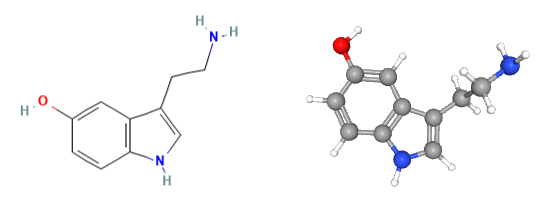
Image Source : PubChem
Functions :
- in brain
- involved in mood stabilization(known as 'feel-good' chemical),cognition,learning,memory,sleep
- effect on libido (high serotonine level may decrease sexual desire)
- in other body parts
- contributes to normal bowel function
- reduce appetite when you are full
- play a protective role in the gut
- help blood clotting
- influence bone density (high circulating serotonine level in the but might cause low bone density (e.g osteoporosis)
Signs of Low Serotonin :
- Disrupted sleep patterns
- Loss of appetite
- Mood Changes
- Trouble with memory and learning
NorAdrenaline / Nor Ephenephrine
Norepinephrine, also known as noradrenaline, is a neurotransmitter and hormone that plays a vital role in the regulation of attention, alertness, and the stress response. It is synthesized from dopamine by the enzyme dopamine beta-hydroxylase and acts on both alpha and beta adrenergic receptors, which are G-protein coupled receptors. In the central nervous system, norepinephrine is involved in modulating cognitive processes, including working memory, decision-making, and the formation of emotional memories. In the peripheral nervous system, it is a major component of the "fight or flight" response, increasing heart rate, blood pressure, and blood flow to muscles.
Imbalances in norepinephrine levels or receptor function have been implicated in several mental health disorders, such as depression, anxiety, and attention deficit hyperactivity disorder (ADHD). Some medications, like selective norepinephrine reuptake inhibitors (NRI) and norepinephrine-dopamine reuptake inhibitors (NDRI), work by increasing the availability of norepinephrine in the synaptic cleft, which can help alleviate symptoms of these disorders.
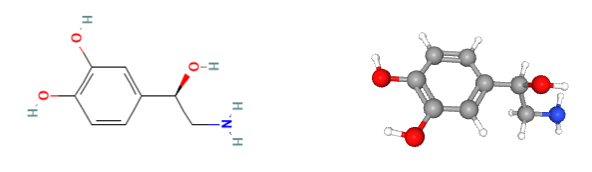
Image Source : PubChem
Function
- Made from nerve cells in the brainstep area and the arean near spinal cord
- plays important roles in the fight-or-flight response
- Increase alertness,arousal and attention
- Contricts blood vessels, which helps maintain blood pressure under stress condition
- affect sleep-wake cycle, mood and memory
- reaches various organs as follows and cause rapid body reactions like fight-or-flight response
- Eyes
- Skin
- Heart
- Muscles
- Liver
- Airways
- adrena gland
Medical Conditions related to low level of norepinephrine
- Axiety
- Depression
- Attention deficit hyperacticity disorder (ADHD)
- Headaches
- Memory problems
- Sleeping problems
- Low blood pressure (hypotension)
- Low blood sugar (hypoglycemia)
- Changes in blood pressure, heart rate
- Dopamine beta-hydroxylase deficiency
Medical Conditions related to high level of norepinephrine
- High blood pressure (hypertension)
- Rapid or irregular heartbeat
- Excessive sweating
- Cold or pale skin
- Severe headaches
- Nervous feeling, jitters
- Pheochromocytoma (adrenal gland tumor)
Adrenaline /Ephenephrine
Epinephrine, also known as adrenaline, is a neurotransmitter and hormone primarily involved in the body's "fight or flight" response to stress or danger. It is synthesized from norepinephrine by the enzyme phenylethanolamine N-methyltransferase in the adrenal glands and some neurons in the central nervous system. Epinephrine acts on both alpha and beta adrenergic receptors, which are G-protein coupled receptors, stimulating various physiological changes to prepare the body for action.
In the peripheral nervous system, epinephrine increases heart rate, blood pressure, and blood flow to muscles, as well as boosting glucose production and mobilization to provide energy. In the central nervous system, it has a role in modulating cognitive functions, such as memory consolidation, especially for emotionally arousing events. Although epinephrine is not typically considered a major neurotransmitter in the brain, it does contribute to the overall balance of arousal and alertness in conjunction with other neurotransmitters like norepinephrine and dopamine.
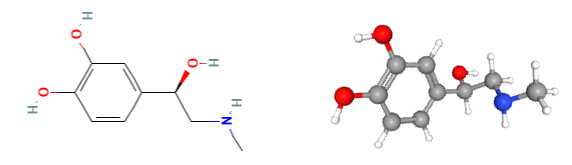
Image Source : PubChem
Function
- plays both as a neurotransmitter and hormone but plays relatively small role as neurotransmitter
- plays important roles in the fight-or-flight response
- Increase alertness,arousal and attention
- Contricts blood vessels, which helps maintain blood pressure under stress condition
- affect sleep-wake cycle, mood and memory
- reaches various organs as follows and cause rapid body reactions like fight-or-flight response
- Eyes
- Skin
- Heart
- Muscles
- Liver
- Airways
- adrena gland
Medical Conditions related to low level of norepinephrine
- Axiety
- Depression
- Attention deficit hyperacticity disorder (ADHD)
- Headaches
- Sleeping problems
- Low blood sugar (hypoglycemia)
- Changes in blood pressure, heart rate
Medical Conditions related to high level of norepinephrine
- High blood pressure (hypertension)
- Rapid or irregular heartbeat
- Excessive sweating
- Cold or pale skin
- Severe headaches
- Nervous feeling, jitters
- Pheochromocytoma (adrenal gland tumor)
L-Aspartate
L-aspartate is an amino acid that also functions as a neurotransmitter in the central nervous system. It has excitatory properties, similar to its more well-known counterpart, glutamate. L-aspartate is involved in the transmission of nerve impulses between neurons, contributing to the regulation of various cognitive functions such as learning, memory, and information processing.
L-aspartate acts on specific receptors, including NMDA and some metabotropic glutamate receptors, which are shared with glutamate. Despite its role as an excitatory neurotransmitter, L-aspartate is present in much lower concentrations in the brain compared to glutamate, and its overall contribution to excitatory neurotransmission is less understood.
Imbalances in excitatory neurotransmitters like L-aspartate can lead to excitotoxicity, a process where excessive stimulation of neurons results in neuronal damage or death. This has been implicated in several neurological disorders such as Alzheimer's disease, Parkinson's disease, and multiple sclerosis. However, the role of L-aspartate in these conditions is not as well-established as that of glutamate.
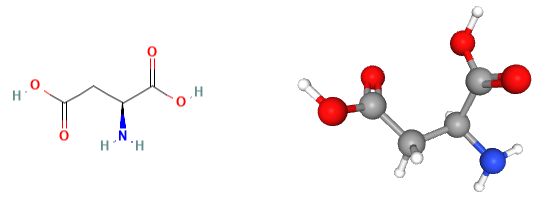
Image Source : PubChem
Function
- structural homologue of glutamate, with one fewer methylene (-CH2) group in the sidechain
- plays a role as the secondary excitatory neurotransmitter in the CNS
Glycine
Glycine is an amino acid that functions as an inhibitory neurotransmitter in the central nervous system, particularly in the spinal cord and brainstem. It helps regulate neuronal activity by reducing the excitability of neurons, contributing to a balance between excitation and inhibition in the brain. Glycine is essential for maintaining proper brain function and preventing overstimulation, which can lead to conditions such as seizures and muscle spasms.
Glycine acts on glycine receptors, which are ligand-gated ion channels that allow the influx of chloride ions when activated, resulting in hyperpolarization of the neuron and reducing the likelihood of generating an action potential. Glycine also serves as a co-agonist at NMDA receptors along with glutamate, where it modulates the excitatory effects of glutamate and plays a role in synaptic plasticity, learning, and memory.
Imbalances in glycine levels or receptor function have been implicated in various neurological disorders, such as hyperekplexia, a rare genetic disorder characterized by exaggerated startle responses, and some forms of epilepsy. Glycine reuptake inhibitors, which increase the availability of glycine in the synaptic cleft, have been explored as potential therapeutic agents for these and other neurological conditions.
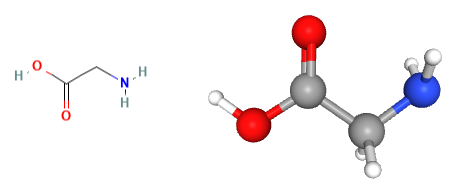
Image Source : PubChem
Function
- a major inhibitory neurotransmitter in the spinal cord and brainstem
- coexists with GABA in many of these neurons
- exerts fast postsynaptic inhibition that is important for control of excitability of motor neurons, auditory processing, pain transmission in the dorsal horn, and other functions
- a coagonist of glutamate on NMDA receptors
D-Serine
D-serine is an amino acid that functions as a neurotransmitter and neuromodulator in the central nervous system. It plays a crucial role in modulating synaptic plasticity, which underlies processes such as learning and memory. D-serine is synthesized from L-serine by the enzyme serine racemase, which converts L-serine into D-serine by changing its stereochemistry.
D-serine acts as a co-agonist at NMDA receptors, along with glutamate. It binds to a specific site on the NMDA receptor called the glycine modulatory site, which enhances the receptor's response to glutamate. This interaction facilitates the opening of the NMDA receptor's ion channel, allowing calcium ions to enter the neuron and trigger a series of intracellular events that promote synaptic plasticity.
Imbalances in D-serine levels or its interaction with NMDA receptors have been implicated in several neurological and psychiatric disorders, such as schizophrenia, Alzheimer's disease, and neuropathic pain. Research into the role of D-serine in these conditions has led to the development of potential therapeutic agents that target D-serine metabolism or its interaction with NMDA receptors.
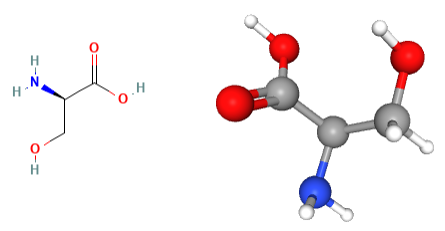
Image Source : PubChem
Function :
- Co-agonist at NMDA receptors
- Modulates synaptic plasticity
- Involved in learning and memory
- Influences neuronal development
- Contributes to neuroprotection
Adenosin
Adenosine is a neuromodulator and a signaling molecule that plays a crucial role in regulating various physiological processes, including sleep and wakefulness, energy metabolism, and cardiovascular function. It is formed as a byproduct of cellular metabolism, particularly during energy-consuming processes that break down adenosine triphosphate (ATP) into adenosine diphosphate (ADP) and adenosine monophosphate (AMP).
In the central nervous system, adenosine acts on four types of adenosine receptors (A1, A2A, A2B, and A3), which are G-protein coupled receptors. Activation of these receptors can lead to either inhibitory or excitatory effects, depending on the receptor subtype and the specific brain region involved. Adenosine is involved in promoting sleep and suppressing arousal, as its levels in the brain gradually increase during wakefulness and decrease during sleep.
Adenosine also has vasodilatory effects in the cardiovascular system, helping regulate blood flow and oxygen delivery. It is involved in the modulation of inflammation and immune responses as well. Imbalances in adenosine levels or receptor function have been implicated in various conditions, such as sleep disorders, chronic pain, and neurodegenerative diseases. Caffeine exerts its wakefulness-promoting effects by antagonizing adenosine receptors, reducing the inhibitory actions of adenosine on neuronal activity.
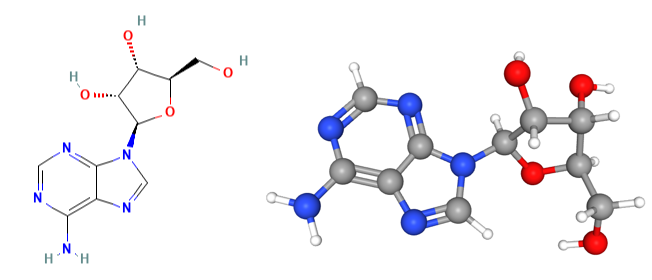
Image Source : PubChem
Function :
- Regulates blood flow and heart rate
- Acts as a neurotransmitter and neuromodulator
- Promotes sleep and relaxation
- Involved in energy metabolism
- Modulates inflammation and immune responses
Endorphine
Endorphins are endogenous opioid peptides that function as neurotransmitters and neuromodulators in the central and peripheral nervous systems. They are produced and released by neurons in response to various stimuli, such as stress, pain, and exercise. Endorphins have a similar structure and function to exogenous opioids like morphine, which is why they are often referred to as the body's natural painkillers.
Endorphins bind to opioid receptors (mu, delta, and kappa receptors) in the brain and spinal cord, where they help regulate pain perception, mood, and reward. By binding to these receptors, endorphins can inhibit the transmission of pain signals, leading to analgesia, or pain relief. They are also involved in the modulation of the body's stress response and the regulation of emotions, such as pleasure and euphoria.
An increase in endorphin levels has been linked to the phenomenon known as "runner's high," a state of euphoria and well-being that can occur during prolonged aerobic exercise. In addition to their role in pain relief and mood regulation, endorphins have been implicated in various physiological processes, including immune function and the regulation of appetite and body weight. Imbalances in endorphin levels or function have been associated with various conditions, such as chronic pain, depression, and addiction.
Oxytocin
Oxytocin is a neuropeptide and hormone that plays a critical role in social bonding, trust, empathy, and various reproductive processes. It is synthesized in the hypothalamus and released into the bloodstream by the posterior pituitary gland. In addition to its hormonal actions, oxytocin also acts as a neurotransmitter within the brain, modulating the activity of specific neural circuits.
Oxytocin is involved in a variety of social behaviors, such as pair bonding, maternal behaviors, and social recognition. It has been referred to as the "love hormone" or "cuddle hormone" due to its role in promoting attachment and affection between individuals. Oxytocin is also essential for various reproductive processes, including childbirth and lactation. During labor, oxytocin is released in large amounts, causing uterine contractions and facilitating the delivery of the baby. After birth, oxytocin promotes milk let-down in response to a baby's suckling, allowing the mother to breastfeed.
In the brain, oxytocin receptors are found in several areas, such as the hypothalamus, amygdala, hippocampus, and nucleus accumbens. The distribution of these receptors enables oxytocin to influence emotional processing, stress regulation, and social cognition. Imbalances in oxytocin levels or function have been implicated in various psychiatric conditions, such as autism spectrum disorder, social anxiety, and postpartum depression.
Vasopressine
Vasopressin, also known as antidiuretic hormone (ADH), is a neuropeptide and hormone that plays important roles in fluid balance, blood pressure regulation, and social behavior. Vasopressin is synthesized in the hypothalamus and released into the bloodstream by the posterior pituitary gland. In addition to its hormonal actions, vasopressin also functions as a neurotransmitter within the brain, modulating the activity of specific neural circuits.
One of vasopressin's primary functions is to regulate water balance in the body by controlling the reabsorption of water in the kidneys. In response to dehydration or low blood volume, vasopressin is released, causing the kidneys to conserve water and produce more concentrated urine. This helps maintain blood volume and blood pressure. Vasopressin also has vasoconstrictive properties, meaning it can narrow blood vessels, which can further contribute to maintaining blood pressure during times of stress or hemorrhage.
In the brain, vasopressin receptors are found in several areas, such as the hypothalamus, amygdala, and hippocampus. The distribution of these receptors allows vasopressin to influence social behavior, memory, and stress regulation. Vasopressin has been implicated in social bonding, aggression, and pair-bonding in various animal species. Imbalances in vasopressin levels or function have been associated with various conditions, such as diabetes insipidus, hyponatremia, and certain psychiatric disorders.
Problems that are releated to Neurotransmitters
In order for Nuerotransmitters to function properly, they should be as follows :
- They should be transmitted at right place, right amount and at right timing
- They should be staying at the synaptic gap for right span of time
- They should be taken back fast enough at the right timing
Most of the problems that are related to Neurotransmitters are because those transmitters does not work as listed above. Common types of Neurotransmitter related problems can be listed as in this document as below.
- Neurons might not manufacture enough of a particular neurotransmitter
- Neurotransmitters may be reabsorbed too quickly
- Too many neurotransmitters may be deactivated by enzymes
- Too much of a particular neurotransmitter may be released
Distribution of Neurotransmitters in Brain
Neurotransmitters are distributed throughout the brain, with different regions and types of neurons expressing specific neurotransmitter systems. The distribution of neurotransmitters is crucial for the proper functioning of various brain circuits and the regulation of numerous cognitive, emotional, and physiological processes.
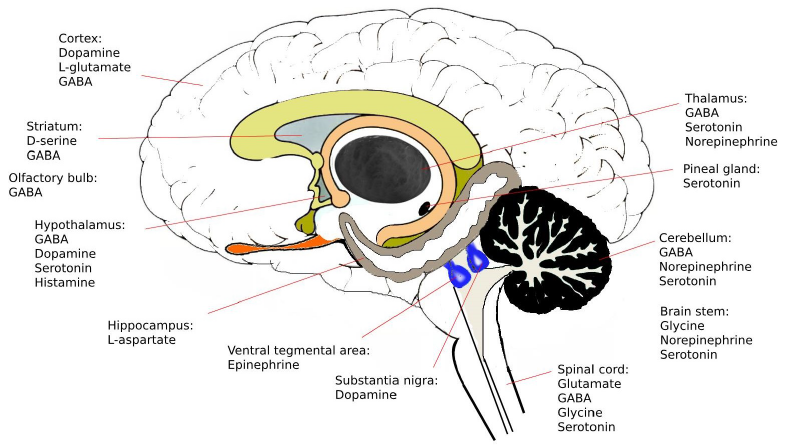
Image Source : A Review of Neurotransmitters Sensing Methods for Neuro-Engineering Research
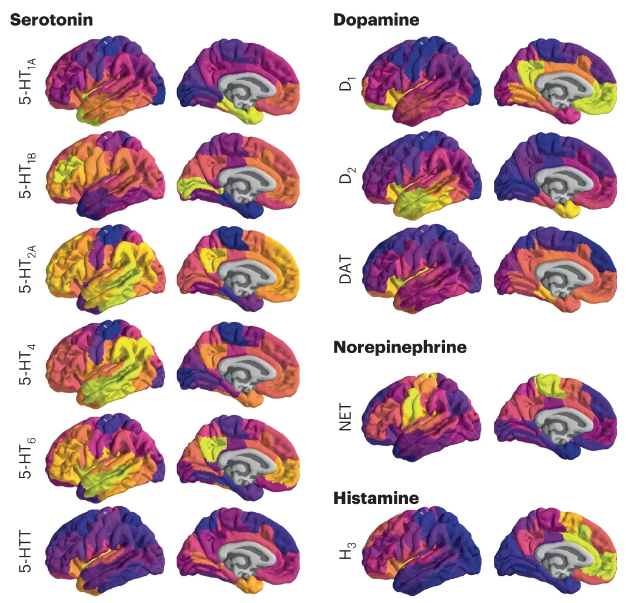
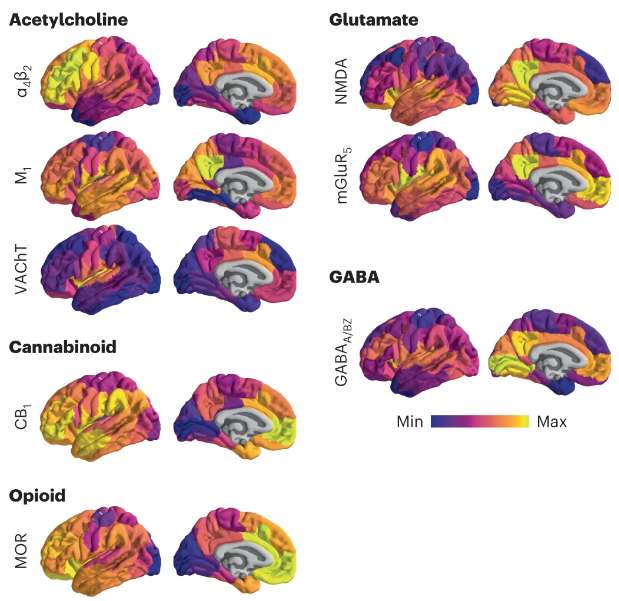
Image Source : Mapping neurotransmitter systems to the structural and functional organization of the human neocortex
Color Coding : dark red (lowest intensity) , bright yellow or white (highest intensity)
Agonist vs Antagonist and others
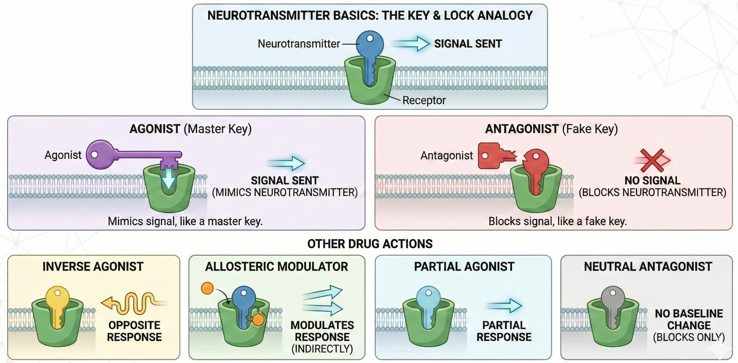
A neurotransmitter is like a key that opens a lock. The lock is a receptor on a nerve cell. When the key opens the lock, it sends a signal in your brain.
An
An
In addition to agonists and antagonists, there are other categories of drug actions, including:
Inverse Agonists : These bind to the same receptor as agonists but induce a pharmacological response opposite to that produced by the agonist.Allosteric Modulators : These bind to a site other than the main active site on a receptor and modulate the receptor's response to the primary ligand, without directly activating the receptor.Partial Agonists : These bind to and activate a receptor but are only able to produce a partial response compared to a full agonist.Neutral Antagonists : These bind to receptors without modifying the receptor activity; unlike regular antagonists, they do not affect the baseline activity of the receptor.
< Examples of Antagonist >
|
Antagonist |
Target Neurotransmitter |
Overall Effect |
Blood Brain Barrier Permeability |
|
Atropine |
Acetylcholine |
Decreases muscle activity and reduces secretions in the body |
Limited |
|
Haloperidol |
Dopamine |
Reduces symptoms of psychosis |
Yes |
|
Propranolol |
Norepinephrine |
Lowers blood pressure and reduces heart rate |
Yes |
|
Ketamine |
Glutamate (NMDA receptor) |
Induces anesthesia and has potential antidepressant effects |
Yes |
|
Naloxone |
Opioids |
Reverses opioid overdose |
Yes |
|
Flumazenil |
GABA |
Reverses the effects of benzodiazepine sedatives |
Yes |
|
Phenoxybenzamine |
Epinephrine |
Reduces high blood pressure |
Limited |
|
Yohimbine |
Norepinephrine |
Increases blood pressure and heart rate |
Yes |
|
Cyproheptadine |
Serotonin |
Reduces allergic reactions |
Limited |
|
Tropicamide |
Acetylcholine |
Dilates the pupil for ophthalmic examination |
Limited |
|
Amantadine |
Dopamine |
Reduces symptoms of Parkinson's disease and multiple sclerosis |
Yes |
|
Caffeine |
Adenosine Receptor |
Blocks the adenosine receptor, preventing adenosine from promoting sleep and relaxation, resulting in increased alertness and wakefulness. |
Yes |
< Examples of Agonist >
|
Agonist |
Target Neurotransmitter |
Overall Effect |
Blood Brain Barrier Permeability |
|
Morphine |
Opioid receptors |
Analgesia (pain relief), sedation, euphoria |
Yes |
|
Nicotine |
Nicotinic acetylcholine receptors |
Stimulation, arousal, enhanced cognition |
Yes |
|
Albuterol |
Beta-2 adrenergic receptors |
Bronchodilation (expands the airways in the lungs) |
No |
|
Diazepam (Valium) |
GABA-A receptors |
Sedation, muscle relaxation, anti-anxiety |
Yes |
|
Amphetamine |
Dopamine, norepinephrine, and serotonin transporters |
Increased alertness, attention, and energy |
Yes |
|
L-DOPA |
Dopamine receptors |
Used in treatment of Parkinson's disease |
Yes |
|
Isoproterenol |
Beta adrenergic receptors |
Increases heart rate |
No |
|
Oxymetazoline |
Alpha-2 adrenergicreceptor |
Nasal decongestant |
No |
|
Cocaine |
Dopamine, norepinephrine, and serotonin transporters |
Increased alertness, attention, and energy |
Yes |
< Examples of Inverse Agonists >
|
Inverse Agonist |
Target Receptor |
Overall Effect |
Blood Brain Barrier Permeability |
|
Flumazenil |
Benzodiazepine Site on GABA-A Receptors |
Reversal of benzodiazepine effects, decreases CNS depression |
Yes |
|
Nalmefene |
Opioid Receptors |
Reduces opioid effects, used in addiction treatment |
Yes |
|
Lorazepam |
Benzodiazepine Site on GABA-A Receptors |
Anxiolytic effects, sedation |
Yes |
< Examples of Allosteric Modulators >
|
Allosteric Modulator |
Target Receptor |
Overall Effect |
Blood Brain Barrier Permeability |
|
Cinacalcet |
Calcium-sensing Receptors |
Lowers parathyroid hormone levels |
No |
|
Maraviroc |
CCR5 Receptor on T cells |
Prevents HIV entry into cells |
No |
|
Zolpidem |
GABA-A Receptors |
Induces sleep |
Yes |
< Examples of Partial Agonists >
|
Partial Agonist |
Target Receptor |
Overall Effect |
Blood Brain Barrier Permeability |
|
Aripiprazole |
Dopamine D2 Receptors |
Antipsychotic effects, improves mood and cognition |
Yes |
|
Buprenorphine |
Opioid Receptors |
Analgesia, used in addiction treatment to reduce withdrawal symptoms |
Yes |
|
Buspirone |
Serotonin 5-HT1A Receptors |
Reduces anxiety without sedative effects |
Yes |
< Examples of Neutral Antagonists >
|
Neutral Antagonist |
Target Receptor |
Overall Effect |
Blood Brain Barrier Permeability |
|
Naloxone |
Opioid Receptors |
Reverses opioid effects without activating receptors |
Yes |
|
Losartan |
Angiotensin II Receptor |
Lowers blood pressure without causing receptor activation |
No |
|
Sugammadex |
Nicotinic Acetylcholine Receptors |
Reverses muscle relaxants in anesthesia without receptor stimulation |
No |
Peripheral Action : These substances can act on peripheral receptors located outside the central nervous system. For example, Albuterol acts on beta-2 adrenergic receptors in the lungs to promote bronchodilation.Localized Delivery : Some drugs are applied locally to act at specific sites, such as Oxymetazoline in nasal sprays for decongestion.Non-Neural Targets : These compounds might affect systems that don't require penetration into the central nervous system, impacting blood vessels, muscles, or other organs directly.
Opposing Neurotransmitters Maintaining Balance in the Nervous System
In the nervous system, neurotransmitters play critical roles in maintaining balance and functionality by often having opposing effects, Here are some examples: These are just a few examples of how multiple neurotransmitters work together in opposing ways to maintain the delicate balance necessary for normal nervous system function. It is important to note that this is a simplification of a complex system and that other neurotransmitters and factors are also involved.
Glutamate and GABA:
- Glutamate is the primary excitatory neurotransmitter in the brain, promoting neuronal firing and increasing overall brain activity.
- GABA (gamma-aminobutyric acid) is the primary inhibitory neurotransmitter, reducing neuronal excitability and decreasing brain activity.
The balance between glutamate and GABA is crucial for normal brain function. Too much glutamate can lead to overexcitation and seizures, while too much GABA can lead to under-excitation and sedation.
Acetylcholine and Dopamine in the Basal Ganglia:
- Acetylcholine and dopamine have opposing effects in the basal ganglia, a brain region involved in movement control.
- Acetylcholine promotes movement initiation, while dopamine suppresses unwanted movements.
The balance between these neurotransmitters is essential for smooth and coordinated movements. Imbalance can contribute to movement disorders such as Parkinson's disease (associated with dopamine deficiency) and Huntington's disease (associated with acetylcholine and GABA deficiencies).
Norepinephrine and Serotonin in Mood Regulation:
- Norepinephrine and serotonin play complex and interconnected roles in mood regulation.
- Norepinephrine is involved in alertness, focus, and energy, while serotonin is associated with feelings of well-being, calmness, and contentment.
While their relationship is not strictly opposite, the balance between norepinephrine and serotonin is important for mood stability. Disruptions in this balance can contribute to mood disorders such as depression and anxiety.
Histamine and Adenosine in Wakefulness and Sleep:
- Histamine is a neurotransmitter that promotes wakefulness, alertness, and arousal.
- Adenosine, on the other hand, accumulates throughout the day and promotes sleepiness and sleep.
The balance between histamine and adenosine helps regulate the sleep-wake cycle. Antihistamines, which block histamine receptors, can cause drowsiness as a side effect due to this interaction.
Substance P and Opioid Peptides in Pain Perception:
- Substance P is a neurotransmitter involved in transmitting pain signals.
- Opioid peptides, such as endorphins, are natural painkillers that inhibit pain signals.
These neurotransmitters work in opposition to modulate pain perception. The release of opioid peptides helps to dampen the pain signals transmitted by substance P.
Reference
- Common
- A Review of Neurotransmitters Sensing Methods for Neuro-Engineering Research
- Neurotransmitters and receptors
- Trips and neurotransmitters: Discovering principled patterns across 6850 hallucinogenic experiences
- The Chemistry of Thought: NEUROTRANSMITTERS in the Brain
- Neurotransmitters
- Neurotransmitters
- A Simple Guide to Neurotransmitters
- What Are Neurotransmitters?
- Electronic Structure Based Classification of Neurotransmitters and Related Drugs
- Chapter 13: Amino Acid Neurotransmitters - Neuroscience Online
- A Review of Neurotransmitters Sensing Methods for Neuro-Engineering Research - MDPI/Applied Science (2019)
- Mapping neurotransmitter systems to the structural and functional organization of the human neocortex - bioRxiv (2019)
- The Role of Amino Acids in Neurotransmission and Fluorescent Tools for Their Detection - MDPI - International Journal of Molecular Science (2020)
- Mapping neurotransmitter systems to the structural and functional organization of the human neocortex - Nature Neuroscience (2022)
- Acetylcholine
- What Is Acetylcholine? - verywellmind (2022)
- GABA
- Gamma-Aminobutyric Acid (GABA) - Cleveland Clinic
- Glutamate
- Glutamate - Cleveland Clinic
- Serotonine
- Serotonine - Cleveland Clinic
- What Is Serotonin? - verywellmind
- What is serotonin, and what does it do? - MedicalNewsToday
- Everything You Need to Know About Serotonin - healthline
- Dopamine
- Dopamine - Cleveland Clinic
- What Is Dopamine? - WebMD
- Histamine
- How does histamine effect our brain and nervous system? - MTHFRSUPPORT
- Histamine in the Nervous System - PHYSIOLOGICAL REVIEWS
- Histamine - VIVO Pathophysiology
- Norepinephrine/Noradrenaline
- Norepinephrine (Noradrenaline) - Cleveland Clinic
- Epinephrine/Adrenaline
- Epinephrine (Adrenaline) - Cleveland Clinic
- Glycine
- Glycine neurotransmitter transporters: an update - Molecular Membrane Biology (2001)
- Glycine and its synaptic interactions - Neurology (2011)
YouTube
- Common
- Glutamate
- Glutamate - A Memory Molecule (synaptic plasticity mechanism) (Level 3 - Advanced) - Sense of Mind (2021)
- GABA
- GABA - The Inhibitory Neurotransmitter (+ Alcohol in the Brain) (Level 3 - Advanced) - Sense of Mind (2021)
- Dompamin
- Dopamine, Motivation, and Reward (prediction error signaling) - Level 3 (Advanced)- Sense of Mind (2021)
- Serotonin
- Serotonin and Treatments for Depression, Animation. - Alila Medical Media (2016)
- Serotonin Receptors - University of Rochester Biochemistry (Bio250) (2017)
- 2-Minute Neuroscience: Serotonin - Neuroscientifically Challenged (2018)
- Serotonin The Multifunctional Neurotransmitter: What it Is and What it Does - Doc Snipes (2019)
- Schneid Guide to Serotonergic Transmission - Steve Schneid (2020)
- The Serotonin Hypothesis of Psychosis - NEI Psychopharm (2022)
- Balancing
- Neurotransmitters and Mood GABA & Glutamate - Doc Snipes (2019)
- Autism
- Update on Brain Research in Autism - UCLACART (2018)